
1600s
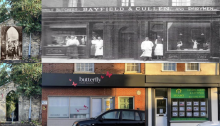
#LowestoftDaysOfChristmas 10th day.. FROM SWAN INN and CROMWELL's HQ to well loved shops in many guises. Nos. 41-42 High Street, as seen today, are replacement buildings for "The Swan" inn, which once occupied the site and served as one of Lowestoft's premier hostelries during the 16th and 17th centuries. It was where Oliver Cromwell stayed overnight on 14 March 1643/44, when he came to Lowestoft (from Cambridge) with a force of cavalry, having heard tell of a shipment of arms either entering or leaving the town (it has never been established which).
Added: 21 December, 20231670's The Lowestoft Lights were re-built again. A few years previously John Clayton had erected a coal-light a couple of miles north at Corton. Clayton's efforts to build lighthouses at various locations around the coast were seen by Trinity Brethren as being a threat to their monopoly.
Added: 23 September, 2023
The naval Battle of Lowestoft in June 1665 was the first of the Second Anglo-Dutch War. Held 40 miles (64 km) off the coast, it was a clear victory for the English over the Dutch.
Added: 23 September, 2023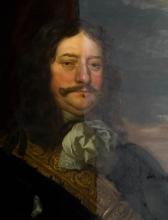
Thirty-three years after she first prepared Lely’s Flagmen of Lowestoft for display, Senior Paintings Conservator Elizabeth Hamilton-Eddy prepares them for the Queen’s House.
credit: National Maritime Museum
Added: 23 September, 20231685 A sea survey by Greenville Collins showed the Standford Channel just off-shore (the name eventually contracted to the Stanford Channel).
Added: 23 September, 2023
1676 Samuel Pepys was elected a Master of the Trinity Brethren, and immediately sanctioned a new Lowestoft lighthouse. A new Lighthouse tower was constructed, built of brick, this time on the cliffs. This became known as Lowestoft High Light. Trinity in its earlier records sometimes refers to the northernmost of the two Ness Point foreshore lights as the 'upper' light, which can be confusing.(drawing p93).
Added: 23 September, 20231670's The Lowestoft Lights were re-built again. A few years previously John Clayton had erected a coal-light a couple of miles north at Corton. Clayton's efforts to build lighthouses at various locations around the coast were seen by Trinity Brethren as being a threat to their monopoly.
Added: 23 September, 2023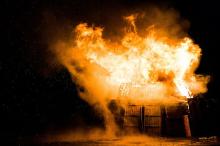
Lowestoft was badly damaged in a substantial fire in 1645. Beginning in a fish house at the base of Lighthouse Score, buildings as far south as Rant Score and to the west of High Street around Crown Street were damaged or destroyed.
Added: 23 September, 2023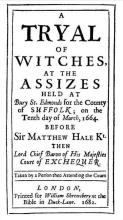
Two elderly Lowestoft women, Rose Cullender and Amy Denny, were tried for witchcraft at Bury St Edmunds Assizes, having been accused by their neighbours. Found guilty, they were sentenced to death by judge Sir Matthew Hale and hanged at Bury St. Edmunds on March 17th.
Added: 23 September, 2023